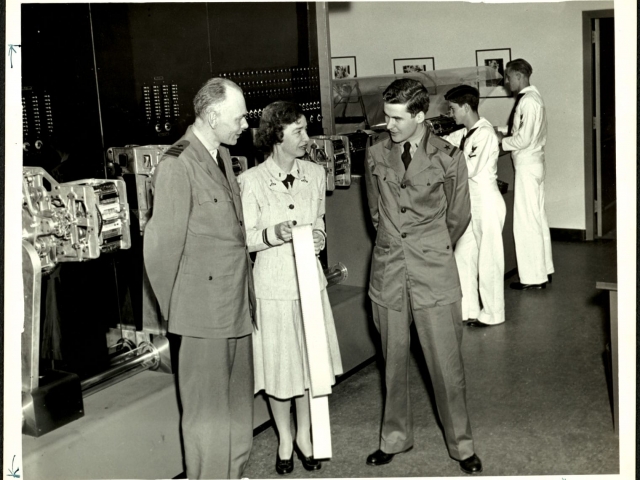


On Tuesday, June 14, the first created on our planet computer had its 65 anniversary. In 1941, the computer was presented to the world audience by Howard Aiken, a mathematician from Harvard, who had developed and constructed the first computer in cooperation with four engineers of IBM.
The first-ever computer was as enormous as a large room. It was named Mark 1. Officially, it started operating on August 7, 1944. The cost of Mark 1 was half a million dollars.
The first computer, 1943.
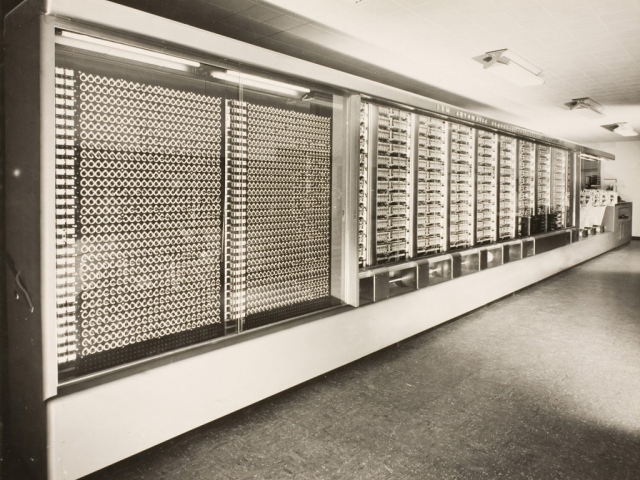
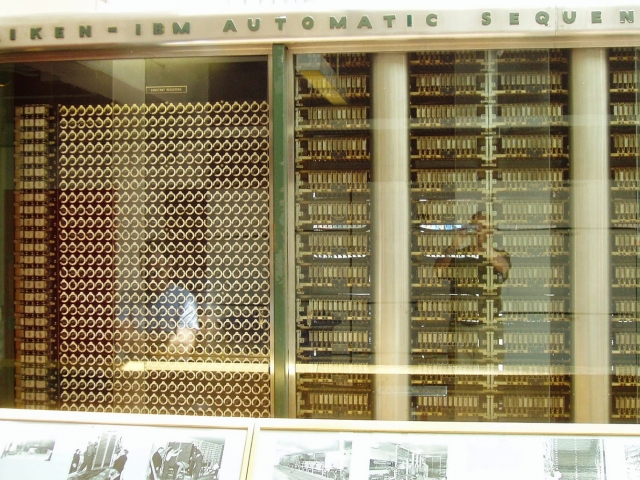
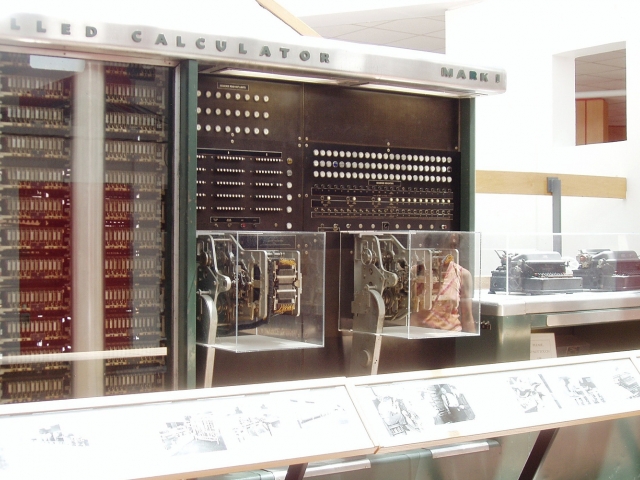
The pioneer device is now in Harvard University, Cabot House. On the photo, you can see its left side.
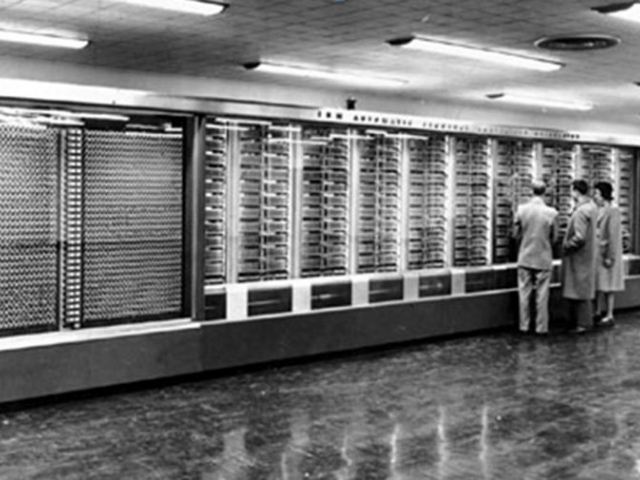
The length is 17m, height is over 2.5m, and its weight is about 4.5 ton.
On the photo, see the right side of the first computer Mark 1.
Recommended photo news
Zombie brands: breathing new life into legendary logos
In a world of oversaturated marketing, creating a new brand from scratch comes with astronomical costs, while the risk of failure remains critically high. This is why venture funds and tech giants are turning their attention to "zombie brands" — companies that have maintained significant recognition but have lost market share or gone bankrupt. Reviving these legends allows them to instantly capture the loyalty of older generations and the curiosity of Zoomers, for whom retro aesthetics have become a new form of authenticity.
Cat economy makes difference
In Thailand, the market for cat products has reached an enormous size — the equivalent of $11.8 billion. The government no longer treats it as a mere hobby of citizens; it now views the sector as a major part of the national economy. Steady growth of the cat economy is fueled by global urbanization. With housing shortages and cramped apartments, the cat has become the ideal companion, displacing dogs in the battle for city dwellers' wallets.
Cyber-archaeology: through earth and time to lost secrets
For a long time, archaeology was a matter of chance and exhausting blind digs. But now, the rules of the game have changed — excavations are not aimed at finding something by luck but at confirming hypotheses. Cyber-archaeology has combined satellite scanning, laser probing and neural networks, turning the planet's surface into an open book. Today, AI analyzes terabytes of data invisible to the human eye and performs an "inventory" of the past.
-
Grand Choice
Contest by
InstaForexInstaForex always strives to help you
fulfill your biggest dreams.JOIN CONTEST -
Chancy DepositDeposit your account with $3,000 and get $1000 more!
In February we raffle $1000 within the Chancy Deposit campaign!
Get a chance to win by depositing $3,000 to a trading account. Having fulfilled this condition, you become a campaign participant.JOIN CONTEST -
Trade Wise, Win DeviceTop up your account with at least $500, sign up for the contest, and get a chance to win mobile devices.JOIN CONTEST

498
5